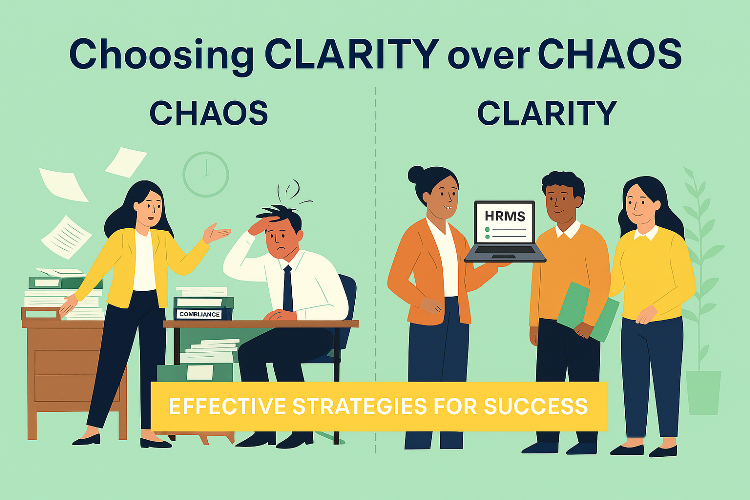
In today’s competitive job market, attracting top talent is only half the battle. The real challenge lies in retaining them. One of the most overlooked yet critical factors influencing employee retention is the human resources onboarding process. A poorly executed onboarding experience can leave new hires feeling disengaged, confused, and disconnected, often prompting them to leave before they’ve even settled in.
According to a Gallup study, only 12% of employees strongly agree that their organization does great job onboarding new employees. That means a staggering 88% of companies are missing the mark and paying the price in high turnover, low morale, and lost productivity.
Let’s explore the most common onboarding mistakes that hurt retention and how to address them using modern strategies and tools, such as employee onboarding software.
1. Treating Onboarding as a One-Day Event
- The Mistake: Many companies treat onboarding as a single-day orientation filled with paperwork, policies, and a quick office tour. Once that’s done, new hires are left to figure things out on their own.
- The Impact: This approach creates confusion, delays productivity, and makes employees feel undervalued. It also increases the likelihood of early turnover, as new hires may feel unsupported or overwhelmed.
- The Fix: Onboarding should be a structured, multi-phase journey that spans at least the first 90 days. Use employee onboarding software to automate and schedule key milestones, such as training sessions, check-ins, and feedback loops. This ensures consistency and keeps new hires engaged throughout the process.
2. Lack of Role Clarity
- The Mistake: New employees often start without a clear understanding of their responsibilities, performance expectations, or how their role fits into the bigger picture.
- The Impact: Ambiguity leads to frustration, misaligned goals, and poor performance. Employees who don’t understand their purpose are less likely to stay motivated or stay at all.
- The Fix: During the human resources onboarding process, provide detailed job descriptions, KPIs, and examples of successful performance. Encourage managers to have one-on-one meetings to align on goals and answer questions. Use onboarding platforms to centralize this information for easy access.
3. Ignoring Company Culture
- The Mistake: Focusing solely on logistics and compliance while neglecting to introduce new hires to the company’s values, mission, and culture.
- The Impact: Employees who don’t feel connected to the culture are less likely to engage, collaborate, or remain loyal to the organization.
- The Fix: Embed cultural immersion into your onboarding plan. Share stories, videos, and testimonials that reflect your company’s ethos. Assign culture ambassadors or mentors to help new hires navigate the social landscape. Many employee onboarding software platforms allow you to create interactive culture modules that make this process engaging and memorable.
4. Overwhelming New Hires with Information
- The Mistake: Bombarding new employees with a flood of documents, policies, and training materials all at once.
- The Impact: Information overload leads to poor retention, stress, and a lack of focus. Important details may be missed or misunderstood.
- The Fix: Break onboarding into digestible phases. Use a drip-feed approach to deliver content over time. Leverage onboarding software to automate this process and track progress. Include interactive elements like quizzes and videos to reinforce learning.
5. Failing to Personalize the Experience
- The Mistake: Using a one-size-fits-all onboarding process for every new hire, regardless of their role, experience level, or department.
- The Impact: Generic onboarding can feel impersonal and irrelevant, reducing engagement and increasing the risk of early attrition.
- The Fix: Tailor onboarding paths based on job function, seniority, and location. For example, a sales executive may need CRM training, while a developer might require access to code repositories and dev tools. Modern employee onboarding software can segment workflows and deliver personalized content to each new hire.
6. Poor Communication and Feedback Loops
- The Mistake: Once onboarding begins, HR and managers go silent, assuming everything is going smoothly.
- The Impact: Without regular check-ins, issues go unaddressed, and new hires may feel isolated or unsupported.
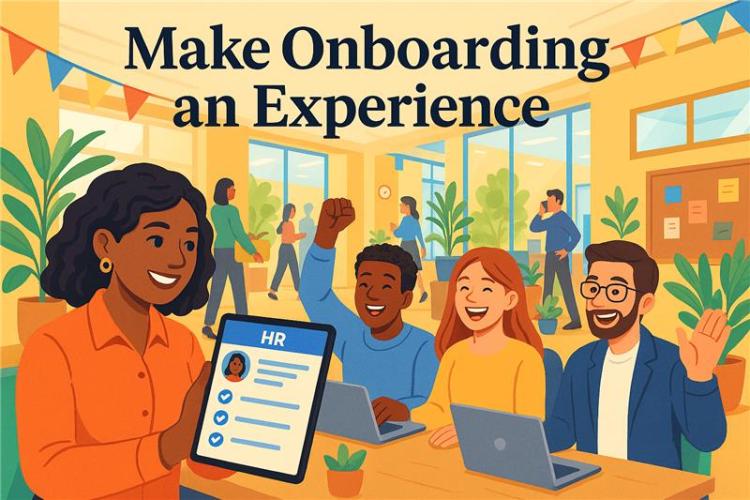
- The Fix: Build structured feedback mechanisms into your human resources onboarding process. Schedule weekly check-ins, pulse surveys, and open forums for questions. Use onboarding platforms to automate reminders and collect feedback in real time.
7. Delayed Access to Tools and Resources
- The Mistake: New hires arrive on day one without access to email, software, or necessary equipment.
- The Impact: This creates a frustrating first impression and delays productivity. It signals disorganization and lack of preparation.
- The Fix: Coordinate with IT and facilities teams in advance. Use onboarding software to trigger provisioning workflows that ensure everything is ready before the employee’s first day. Include a checklist to confirm access to all tools and systems.
8. No Clear Ownership of the Onboarding Process
- The Mistake: HR assumes managers are handling onboarding, while managers assume HR is in charge—resulting in a disjointed experience.
- The Impact: Lack of accountability leads to missed steps, inconsistent experiences, and confusion for the new hire.
- The Fix: Assign clear roles and responsibilities. HR should own the administrative and compliance aspects, while managers focus on role-specific training and team integration. Use employee onboarding software to assign tasks, track completion, and ensure nothing falls through the cracks.
9. Neglecting Remote and Hybrid Employees
- The Mistake: Onboarding processes are designed for in-office employees, leaving remote hires feeling disconnected and unsupported.
- The Impact: Remote employees are more likely to feel isolated, disengaged, and unsure of how to succeed in their roles.
- The Fix: Design a remote-friendly onboarding experience. Use video calls, virtual tours, and digital collaboration tools to replicate the in-office experience. Onboarding platforms can deliver consistent experiences regardless of location, ensuring every employee feels included.
10. Skipping Post-Onboarding Follow-Up
- The Mistake: Once the formal onboarding period ends, support and communication drop off.
- The Impact: Employees may struggle with long-term integration, leading to disengagement and eventual turnover.
- The Fix: Extend onboarding into the first 6–12 months with periodic check-ins, mentorship programs, and career development discussions. Use onboarding software to schedule these touch points and track employee sentiment over time.
How Employee Onboarding Software Solves These Challenges?
Modern employee onboarding software platforms are designed to streamline and enhance every aspect of the onboarding journey. Here’s how they help:
- Automation: Schedule tasks, send reminders, and trigger workflows automatically.
- Personalization: Deliver role-specific content and training modules.
- Tracking: Monitor progress, completion rates, and engagement metrics.
- Integration: Connect with HRIS, payroll, IT, and communication tools.
- Engagement: Use multimedia, gamification, and feedback tools to keep new hires involved.
By leveraging the right technology, companies can create a seamless, scalable, and human-centered onboarding experience that boosts retention and performance.
Final Thoughts
The human resources onboarding process is more than just a checklist it’s a strategic opportunity to build trust, foster engagement, and set the stage for long-term success. Avoiding these common mistakes and embracing a thoughtful, tech-enabled approach can dramatically improve retention and employee satisfaction.
If you’re ready to transform your onboarding experience, it’s time to explore smarter solutions.
Are you ready to streamline your onboarding and boost retention? Discover how SFT Evolve’s powerful employee onboarding software can help you build a world-class onboarding experience. Visit sftevolve.com to learn more and schedule a demo today!